









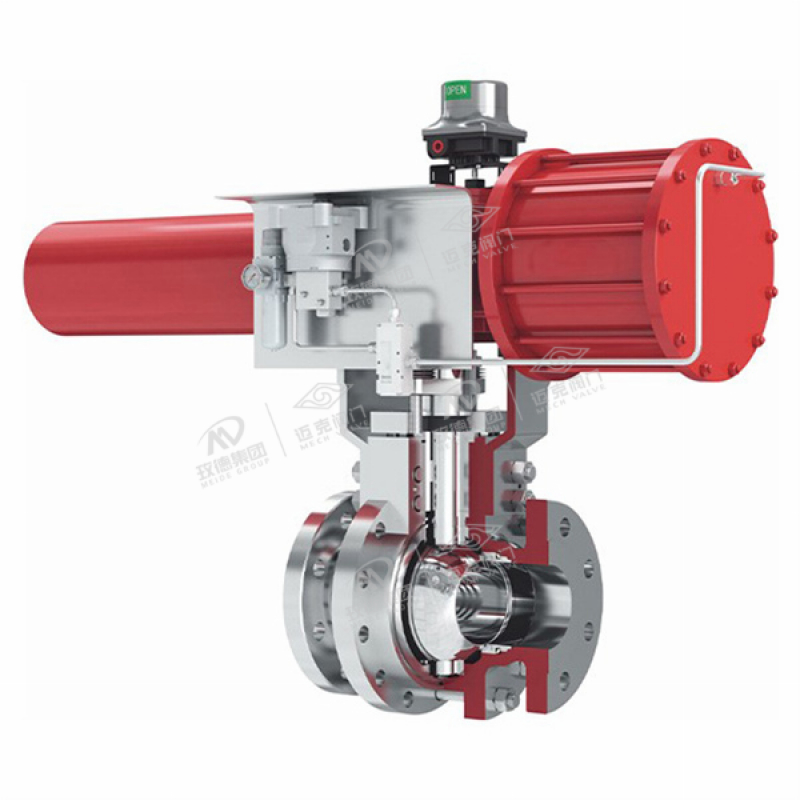
Slag locking valve
1. High-precision components, excellent dimensional consistency, and lower torque enable more economical and rapid opening and closing;
2. Ultrasonic flame spraying of tungsten carbide and chromium carbide, plasma spraying of nickel-based alloys, and laser cladding of stellite alloys meet the requirements of different working conditions and extend service life.
Product overview
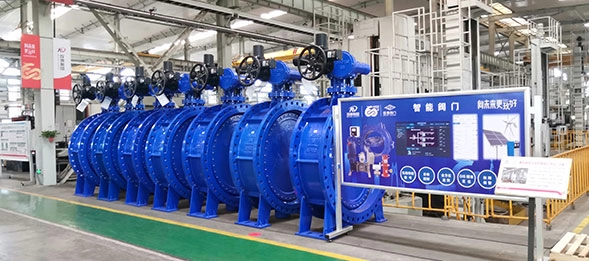
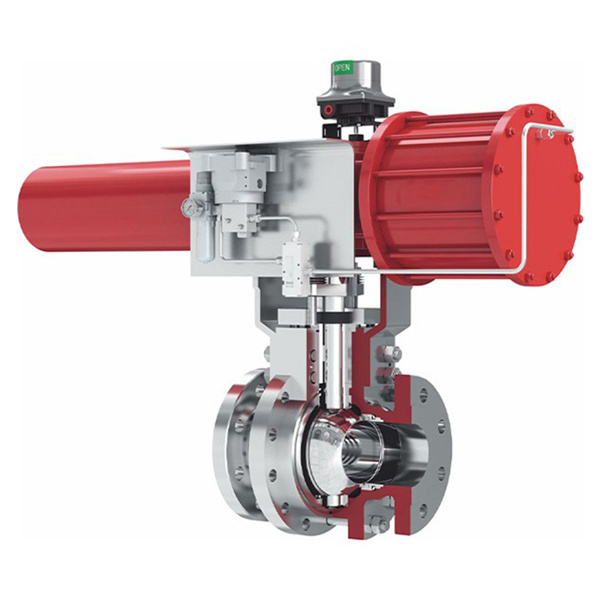
The slag-locking ball valve is a valve for special working conditions of metal hard-sealed ball valves. It is also called a locking bucket valve. It is mainly used in the coal-water slurry pressurized gasification device of the coal chemical gasifier and the dry coal pulverized entrained bed pressurized gasification device to control the slag discharge process.
Value advantage
1. High-precision components, excellent dimensional consistency, and lower torque enable more economical and rapid opening and closing;
2. Ultrasonic flame spraying of tungsten carbide and chromium carbide, plasma spraying of nickel-based alloys, and laser cladding of stellite alloys meet the requirements of different working conditions and extend service life.
Application scenarios
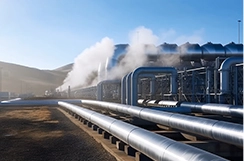
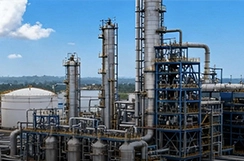
Slag-locking valves are widely used in industries such as coal chemical, polysilicon, petroleum, chemical, power, metallurgy, cement, sugar refining, and mining.
Technical parameters
Size range
NPS 2~16
Design standards:
API 608/ASME B16.34
Structural length standard:
ASME B16.10
Inspection requirements:
API 598
Work pressure:
CL600~CL2500
Temperature range:
-29℃~650℃
Main materials: carbon steel, stainless steel, alloy steel, duplex steel, low-temperature steel, nickel-based steel, titanium alloy, etc.
Connection methods: RF, RTJ, BW
Transmission methods: manual, gear-driven, electric, pneumatic, and hydraulic.
Customer Challenges
1. Under low-pressure conditions, the metal sealing surfaces are difficult to fit fully, which can easily lead to leakage.
2. High opening and closing torque: The friction of the metal sealing surface is much greater than that of the soft seal, requiring greater operating force or higher-specification drive devices (such as higher-power actuators), which increases equipment investment and energy consumption.
3. High maintenance difficulty: Once the sealing surface is damaged, it requires professional grinding and repair, which is time-consuming and costly. Unlike soft seals, the sealing components cannot be directly replaced.
Related Products
Submitted successfully
We will contact you as soon as possible


