












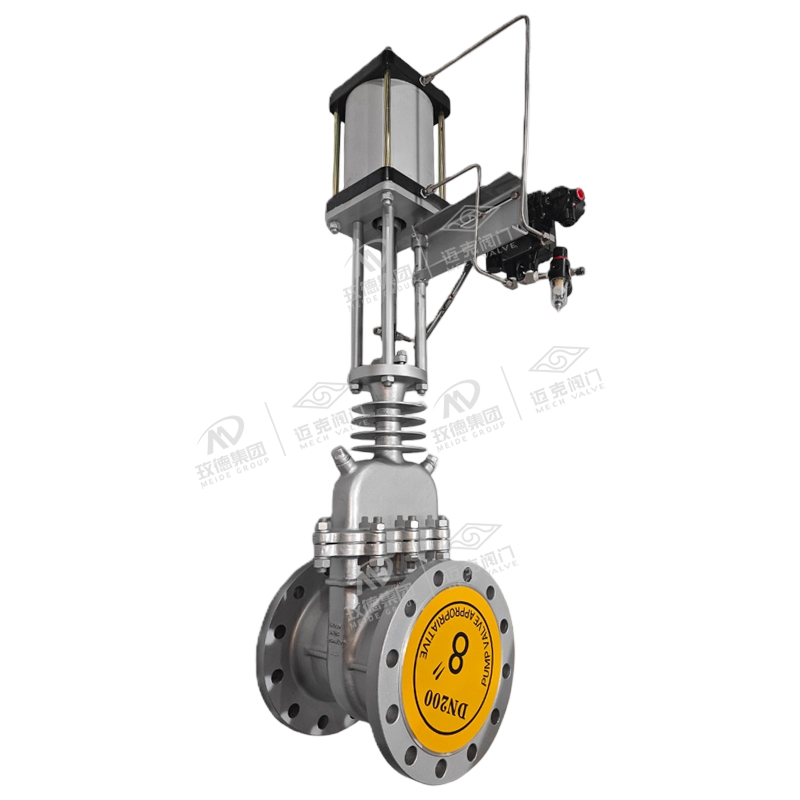
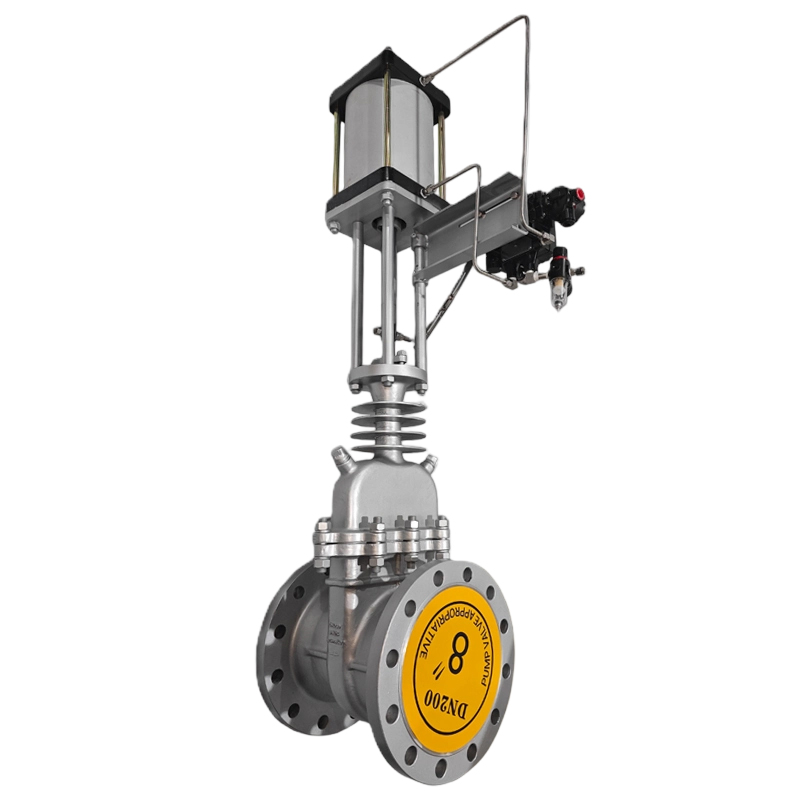
High temperature and high pressure gate valve
1. Design conforms to API standards
2. Excellent structural design and low flow resistance
3. High pressure resistance, meeting API 598 test requirements.
4. Corrosion and high temperature resistance: The valve body is made of CF8C material, effectively reducing the risk of hydrogen corrosion (hydrogen embrittlement) and high-speed media erosion and wear, which can easily lead to internal/external leakage, jamming, or even brittle fracture.
Product overview
High-temperature and high-pressure gate valves are key safety equipment in hydrogenation units in the petroleum refining industry. They are mainly used for emergency shut-off and emergency venting of dangerous media such as hydrogen and oil-gas mixtures.
Value advantage
1. Design conforms to API standards
2. Excellent structural design and low flow resistance
3. High pressure resistance, meeting API 598 test requirements.
4. Corrosion and high temperature resistance: The valve body is made of CF8C material, effectively reducing the risk of hydrogen corrosion (hydrogen embrittlement) and high-speed media erosion and wear, which can easily lead to internal/external leakage, jamming, or even brittle fracture.
Technical parameters
Size range
2"-24"
Design standards:
API 600 JB/T 11484;
Connection standard:
ASME B16.5
Work pressure:
Class 150-2500
Application scope:
-29~500℃
Application scenarios
Petrochemical field
Customer Challenges
Customers using high-temperature and high-pressure gate valves face challenges across four main dimensions throughout the product's lifecycle: product reliability, safety standards, high costs, and technological dependence. These are detailed in the table below:
1. Product Reliability and Maintenance
① Failure due to harsh operating conditions: Facing hydrogen corrosion (hydrogen embrittlement) and high-speed media erosion and wear, it is easy to cause internal/external leakage, jamming or even brittle fracture.
② Difficult and time-consuming maintenance: Some valves cannot be removed and returned to the factory, and the technical threshold for online maintenance is high; the registration procedure for pressure pipeline maintenance is complicated, resulting in long downtime.
2. Purchase and lifecycle costs
① High initial purchase cost: When heavily reliant on imports, the price of a single valve can reach several million yuan.
② High maintenance costs: The annual maintenance and replacement costs of imported valves are high, and the production losses caused by unplanned downtime result in huge costs throughout the entire life cycle.
3. Technology and supply chain dependence
① Facing the risk of being "strangled": In the past, high-end valves have long relied on imports, making us vulnerable to external control in terms of supply and price.
② Shortage of professional talent and technology: Valve selection, maintenance, and fault diagnosis rely on professional experience, and companies need to invest a lot of resources in personnel training.
Related Products
Submitted successfully
We will contact you as soon as possible


